A traveller leaving Gangneung for the high land behind it might expect the coast to keep following along. It does not. The road climbs to Daegwallyeong, the crest of the Taebaek mountains, then drops steeply towards the sea. Beyond the pass is a broad, rolling plateau, where the air and scenery have quietly changed the subject.
Is Daegwallyeong just a pass? The name fits, but the place does not stop at the crest. The plateau sits around eight hundred metres above sea level. Pasture and highland vegetables take up much of the land, while rows of white wind turbines turn along the ridges. Gangneung is close in the geographical sense. In the climatic sense, the two can seem to have declined to speak.
Daegwallyeong
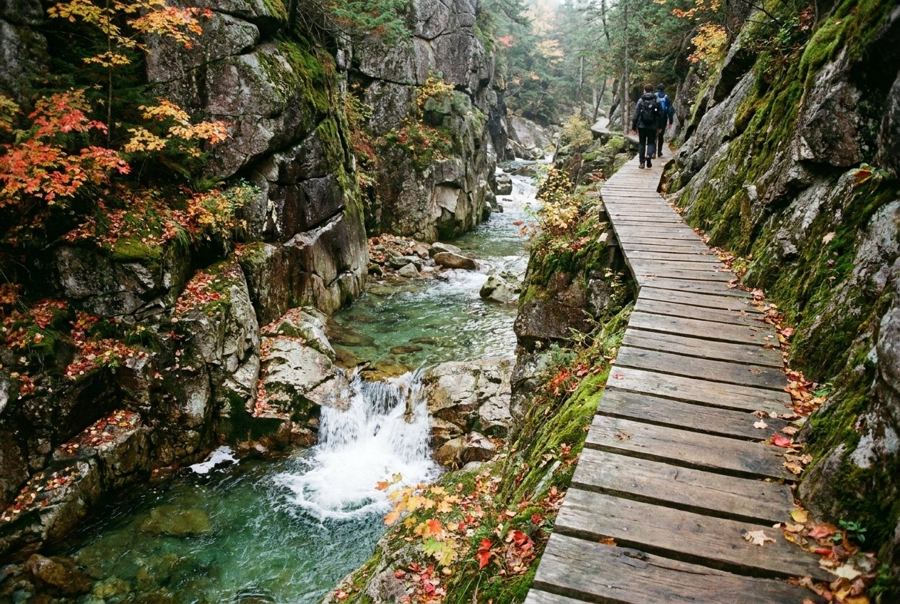
Is the old road merely a relic? It was once the main link between the east coast and the capital, and for centuries people crossed the pass on foot. A stretch of the old trail remains on the steep eastern side, heading down towards Gangneung through forest and alongside streams. Markers recall old inns and shrines. The route has outlasted its original traffic rather better than most old roads manage.
Later, a road with a great many hairpin bends took over. People say it has ninety-nine curves, which sounds like the sort of number arrived at after someone has counted a few and become tired. The old road is still used by local traffic and cyclists, and has lookouts over Gangneung and the sea. Most traffic now goes through the mountains on the expressway, by way of long tunnels and bridges. The pass has not disappeared; it has acquired competition.
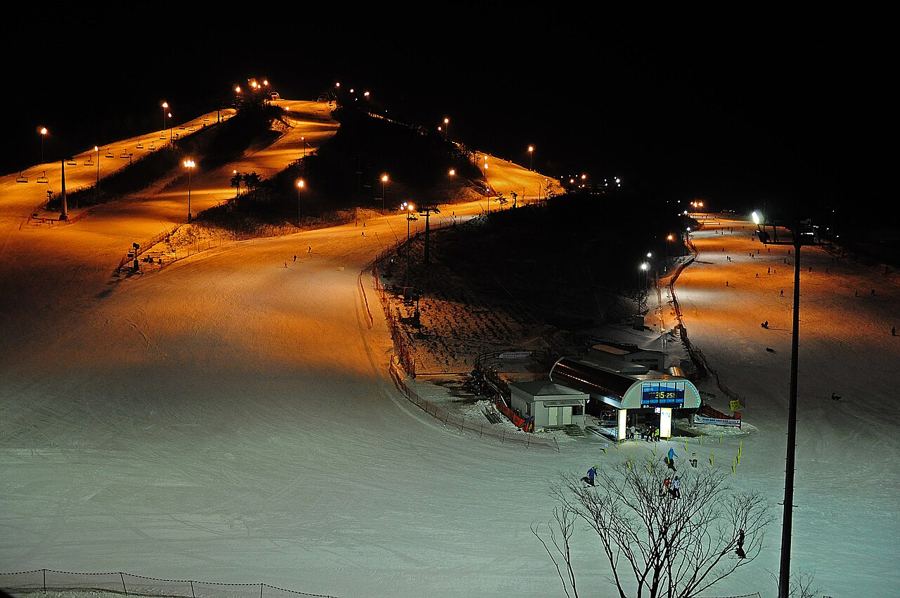
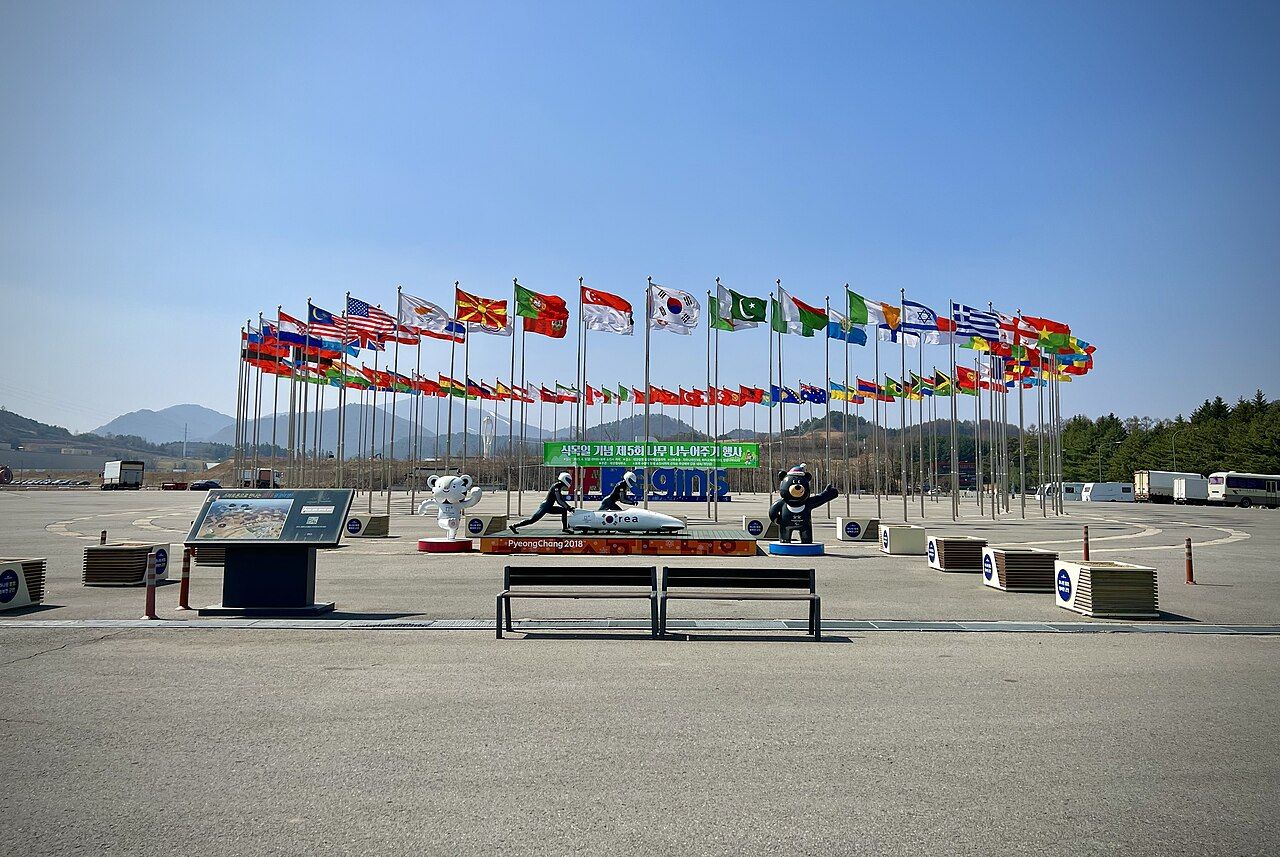
Is the plateau all empty hillside? No. Hoenggye is its local centre, with shops, restaurants and a bus terminal. Daegwallyeong is also the name of a district in Pyeongchang County, where much of the 2018 Winter Olympics took place. The flags near the Games base make a rather orderly appearance in a landscape otherwise given to grass, slopes and weather.
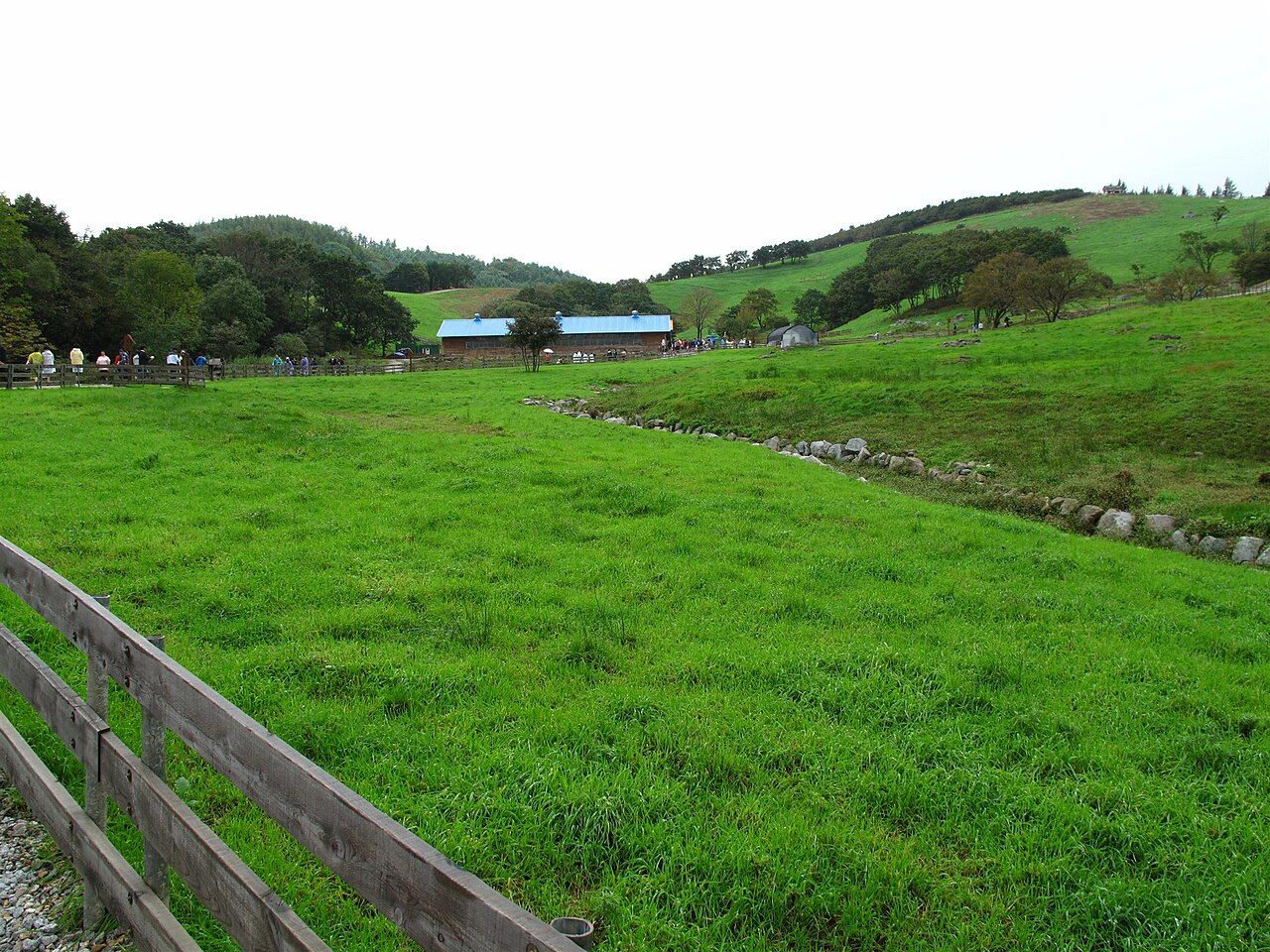
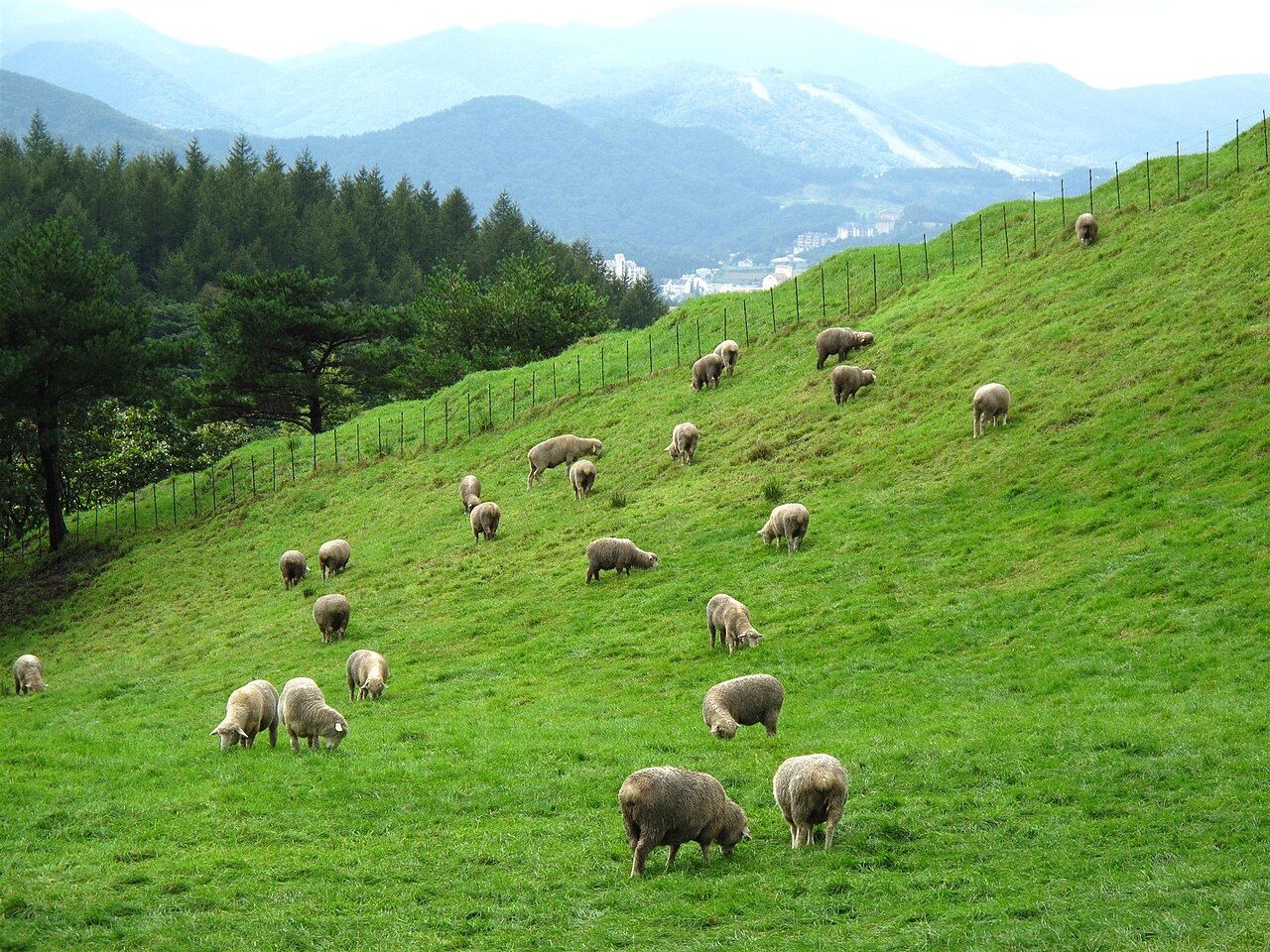
Do sheep belong here as decoration? They have the more useful explanation: the cool climate and grassy slopes make large pastures possible. Several farms keep sheep, cattle and dairy herds, and some welcome visitors to paths across the pasture, feeding pens and small exhibitions. The sheep are not scenery that happens to have wandered in. They are part of the point.
The walks around the farms are gentle, with paths climbing towards viewpoints and wooden fences running across the hills. The wind, less interested in making the walk gentle, tends to keep going. The landscape has appeared in films and advertisements, and summer weekends can be crowded. It is possible for a quiet pasture to become popular enough to disprove its own advertising.
Next stop: Pyeongchang: the mountains beyond the medals Mountains
Are the turbines an interruption to the view? They are certainly part of it. A long line runs along the ridges above the pastures, where strong, steady wind explains their presence. On a breezy day the sound of the blades carries across the hills. The turbines do not pretend to be ancient, which is something in their favour.
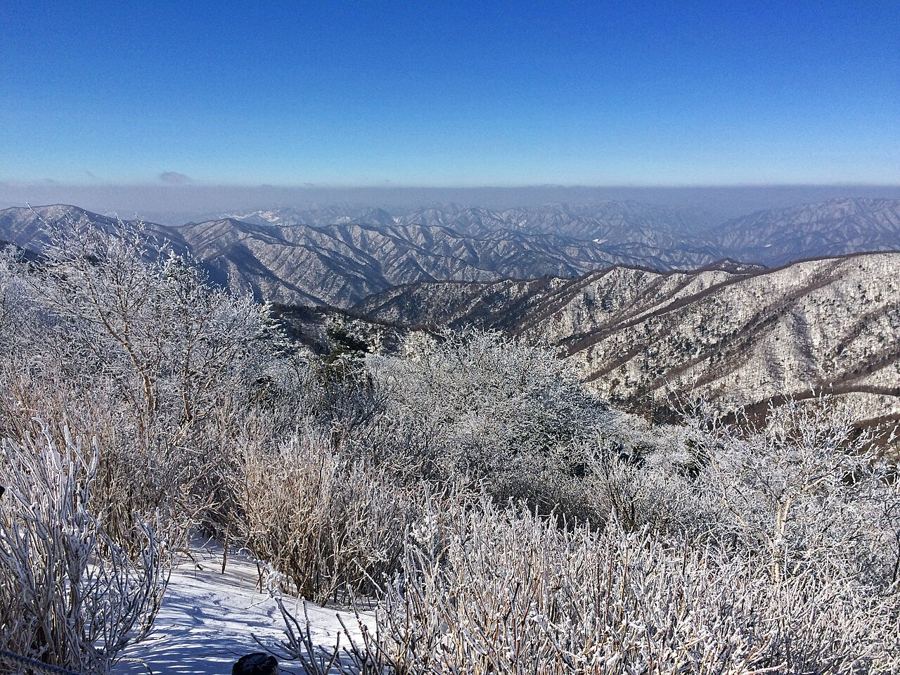
Seonjaryeong is the best-known ridge. A road and walking paths climb past the turbines to broad meadows, with wildflowers in summer and deep snow in winter. On clear days the view reaches down to Gangneung and the sea. The climb is gradual; the exposed ridge is another matter, being colder and windier than the valley, and fog can arrive quickly. The high land is not obliged to keep the same mood as the coast.
Hoenggye
Is summer the season when Daegwallyeong turns into a cooler version of the lowlands? Cooler, yes; a version of the lowlands, no. While Gangneung and the cities to the west swelter in July and August, the pass stays several degrees cooler. People come for walks, camping and fresh air. The slopes carry fields of cabbage in late summer, along with potatoes and other vegetables suited to cool nights. The cabbage has a practical destiny, too: it is grown for kimchi.
The open slopes and ridges make for long walks without the heavy heat of lower ground, though shade is scarce. In winter, the calculation changes. Daegwallyeong is among the coldest places in South Korea; snowfalls are heavy, winds cross the plateau, and temperatures often fall far below freezing. The snow is part of why winter sports and Olympic venues lie nearby. A summer hill and a winter hill are, apparently, allowed to share a name.
Does the cold produce anything besides complaints? It helps make hwangtae. In the villages, pollack hangs on long wooden racks through winter, freezing and thawing repeatedly until it becomes a light, yellowish dried fish, valued in soups and grilled dishes. The racks against the snow are a striking sight. The fish, at least, has found a way to make winter seem useful.
Daegwallyeong is not quite the coast, and not quite the mountains at their most remote. It is a threshold of pasture, old road, snow and turning blades, with Gangneung visible below when the sky allows. For another story on the Gangneung side, follow the streams and cliffs of Sogeumgang; the fir path at Woljeongsa offers a different mountain setting.
Credits: Lcarrion88; Creative Commons BY-SA 4.0; Albert Lee1; Creative Commons BY-SA 4.0