What might the first conversation of a day in Gangneung sound like? It could be no more than a visitor opening a shop door and saying annyeonghaseyo. The word means hello, politely, and works at any hour. A conversation need not become ambitious to count as a success; the other person has been greeted, and nobody has had to improvise a speech.
What else belongs in that first handful of words? Gamsahamnida means thank you; joesonghamnida is a formal sorry. Jeogiyo gets someone’s attention, while ne and aniyo mean yes and no. There are two useful goodbyes, too: annyeonghi gyeseyo is said by the person leaving to the person staying, and annyeonghi gaseyo to the person who is going. Korean has levels of politeness; these are polite forms for use with anyone. Casual speech is better kept for people who are not strangers or elders.
Does courtesy require a grand gesture? No. A small dip of the head and shoulders can accompany a greeting, a thank-you or an apology. A deeper bow suits elders or formal settings. If shaking hands with an elder, the right arm is supported with the left hand. When passing money, a card or a gift to an older person, both hands make the exchange a sign of respect. Nothing here calls for theatre. The visitor is not auditioning for anything.
Gangneung
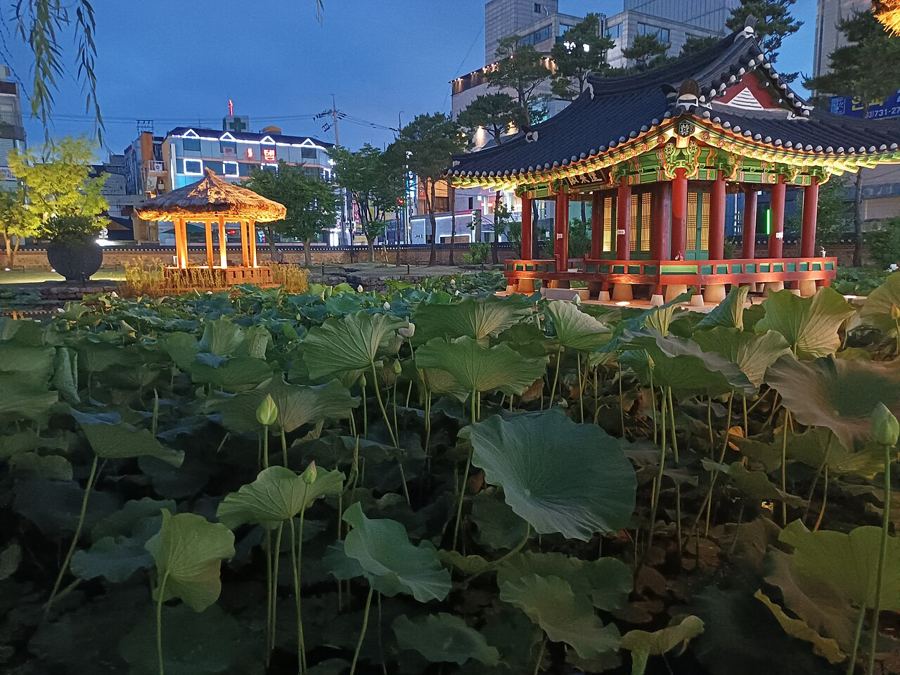
What changes when the day moves onto a bus or train? The volume, mostly. Public transport is generally quiet: conversation stays soft and phone calls short and low. Seats by the doors are reserved for elderly, disabled and pregnant passengers, so they are left free even on a crowded bus. Eating is not allowed on city buses. On the KTX, light snacks are fine; food with a strong smell is less welcome. Quiet voices also suit temples, museums and old houses such as Ojukheon. Marked paths are followed, and permission comes before photographing people, especially monks at prayer or older traders at their stalls. At bus stops and ticket counters, queues are taken seriously. A door can be held briefly for the person behind.
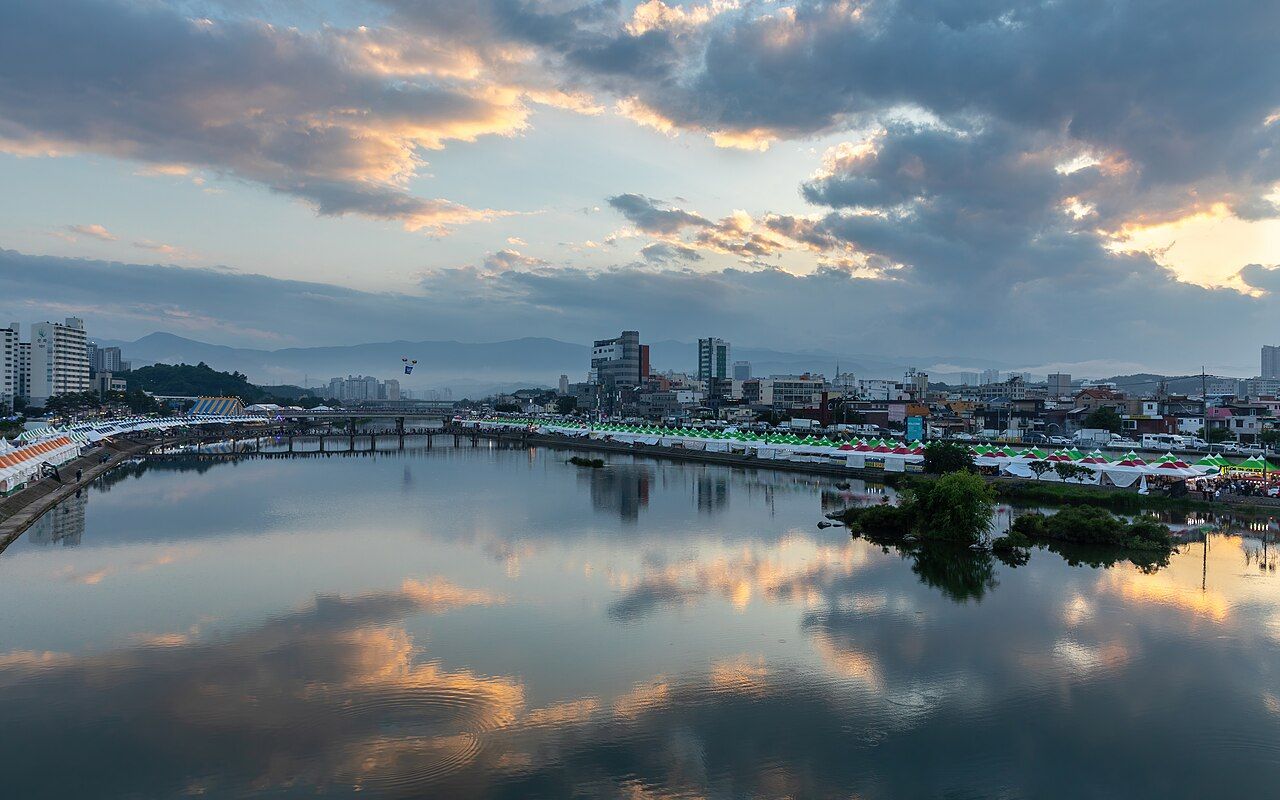
Could the walk through town become a reading lesson? Quite easily. Hangul, the Korean alphabet, was made in the fifteenth century under King Sejong so ordinary people could learn to read and write. Its letters are arranged in syllable blocks, each beginning with a consonant. There are fourteen basic consonants and ten basic vowels; many visitors can learn enough to read signs after an hour of practice. That is a pleasingly modest return for an hour spent looking at letters.
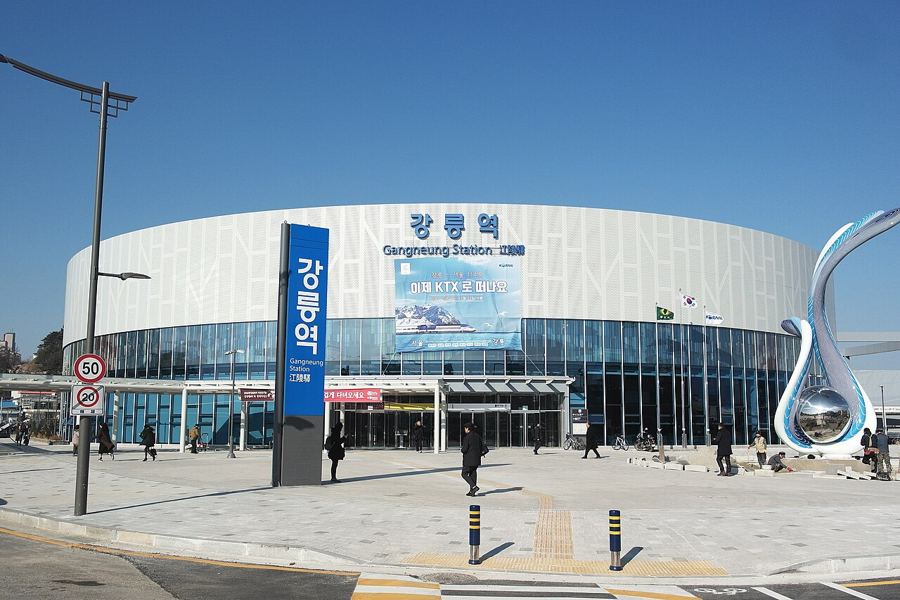
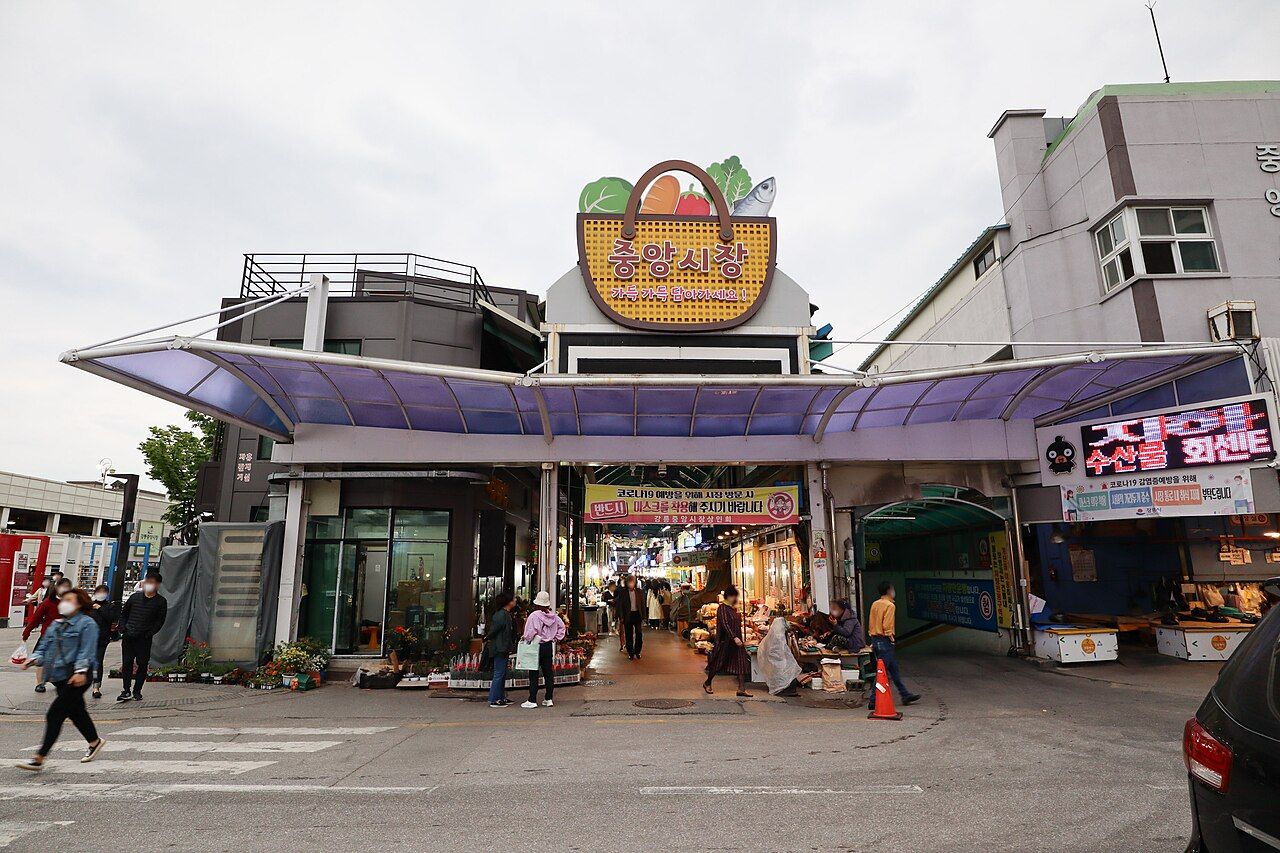
Take 강, pronounced gang: its parts are ㄱ (g), ㅏ (a) and ㅇ (ng). The name Gangneung appears as 강릉. An initial ㅇ has no sound, while at the end of a syllable it sounds like ng. Some consonants shift in sound depending on where they sit, but imperfect pronunciation will still be understood. At the entrance to Jungang Market, 중앙시장 can be read as jung-ang si-jang, or central market. Place names give the letters somewhere to go; station signs, bus stops and menus keep them occupied.
Next stop: A day on the way to Gangneung Basics
Jungang Market
What happens when the day reaches a market price? Korean has two number systems, which is a mildly unnecessary complication until it is useful. Sino-Korean numbers are used for money, dates, phone numbers and minutes. Native Korean numbers count things and are used for hours and age. The first set runs il, i, sam, sa, o, yuk, chil, pal, gu, sip for one through ten, then baek for one hundred, cheon for one thousand and man for ten thousand. The native set begins hana, dul, set, net, daseot for one to five.
Which set is useful while buying something? Prices in won use Sino-Korean numbers. Eolmayeyo asks how much something costs; dul juseyo asks for two, please. A price may be written on a card or shown on a calculator, which takes some pressure off the visitor’s developing command of numbers. At the market, a few slices fried in egg make a more persuasive lesson than a list of syllables.
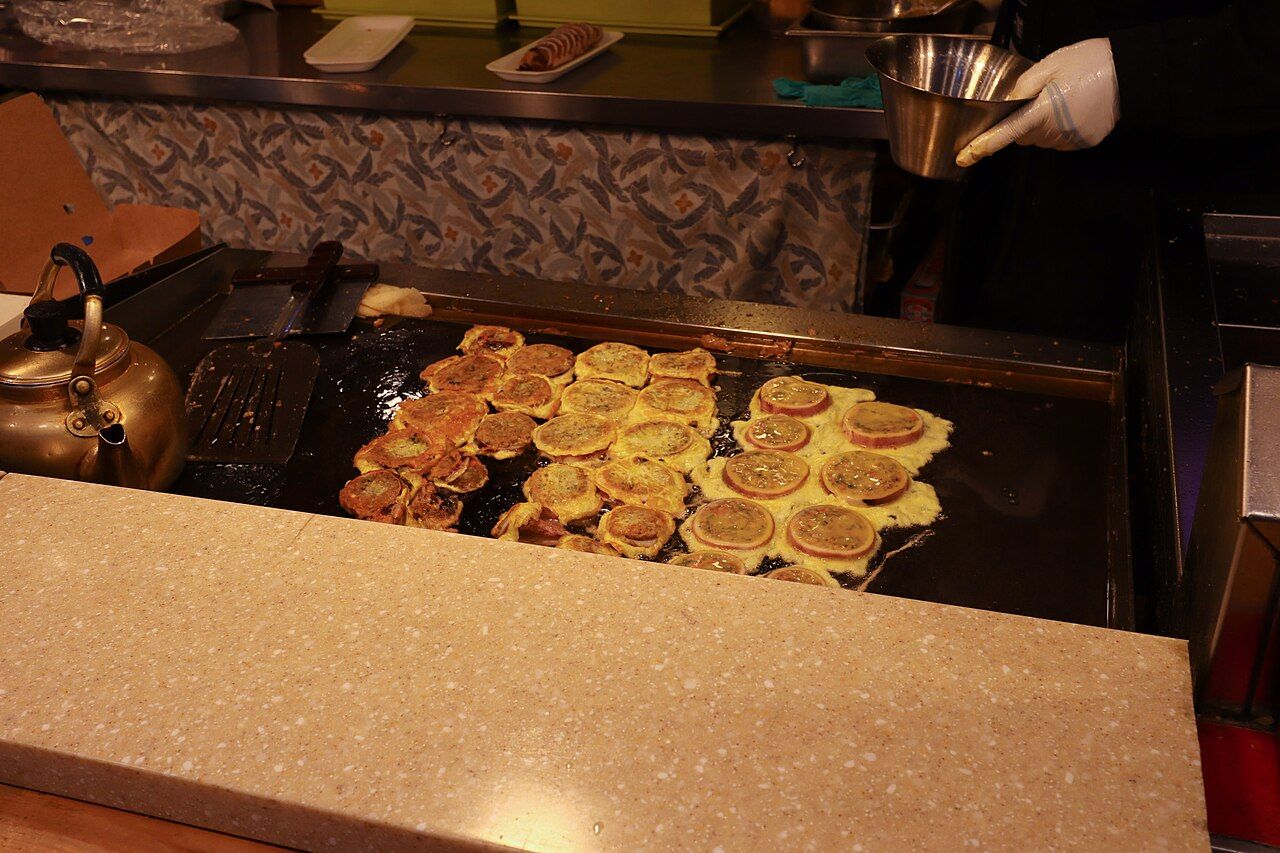
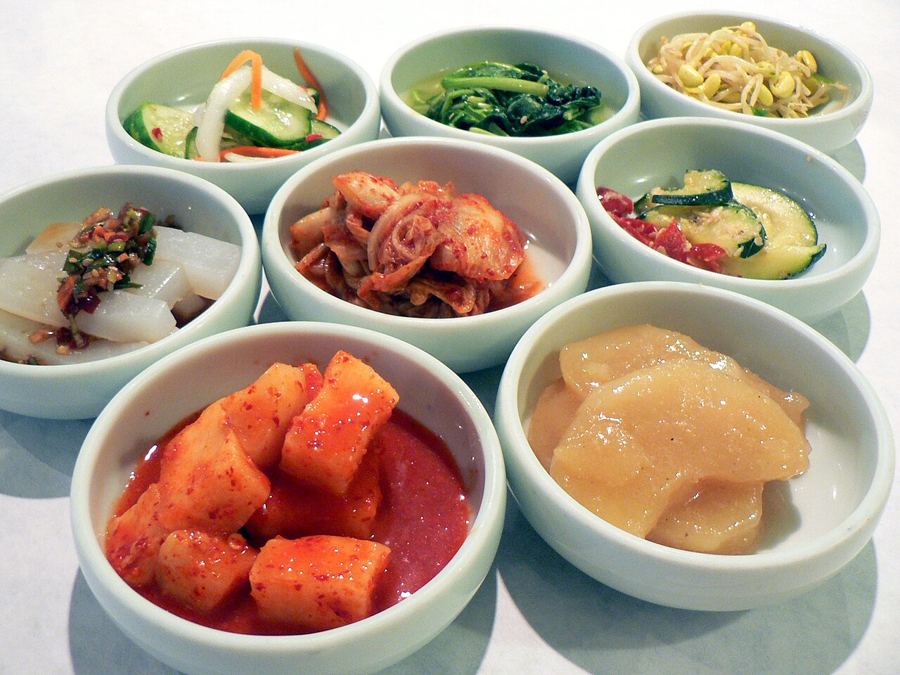
Can a menu be read before every word is understood? Often, its ending gives a useful clue. Tang or guk at the end points to soup; jjigae to stew; gui to grilled food; and jeon to a pan-fried pancake. Bap means rice, while myeon and guksu mean noodles. The main ingredient may remain a mystery for a little longer. There is no requirement to solve every menu before eating.
What words might finish the day? Igeo juseyo means this one, please; mul juseyo, water, please. Hwajangsil eodiyeyo asks where the toilet is, and yeogi-yo can point out a destination to a taxi driver. Mas-isseoyo means it is delicious. A small bow and a sincere gamsahamnida are useful company, even when the rest of the sentence has gone missing. For more on eating out, there is dining customs. By evening, which word will have been said most often?
Credits: stuart spivack (a flickr user); Creative Commons BY-SA 2.0; Myeongho jeong; Creative Commons BY-SA 3.0; Pixelpito; Creative Commons BY-SA 4.0