What sets the day in motion? A choice between the KTX and a bus, which is less dramatic than the old journey over the mountains. Gangneung was once a long way from Seoul by winding road; the high-speed line has made the east coast a journey of a little under two hours on some services. It opened in time for the 2018 Winter Olympics. The mountains remain where they are. The getting there has changed.
In the morning, which train makes sense? The Gangneung line leaves from Seoul Station and Cheongnyangni, on the eastern side of Seoul, and passes through Wonju and the Pyeongchang mountains. Journey length varies with the service and its stops. Trains run many times a day, with more services at weekends and holidays. Seats are reserved, and popular departures can sell out. The ticket itself is the least mysterious part: counters, machines and online sales all exist.
What appears beyond the tunnels? Jinbu, the station for Odaesan and Woljeongsa, and Pyeongchang are along the route. Not every train that takes this line ends in Gangneung: some leave it for Jeongdongjin and Donghae. The coast has more than one railway destination, a detail that is easy to discover after boarding the wrong train and less amusing before.
Gangneung
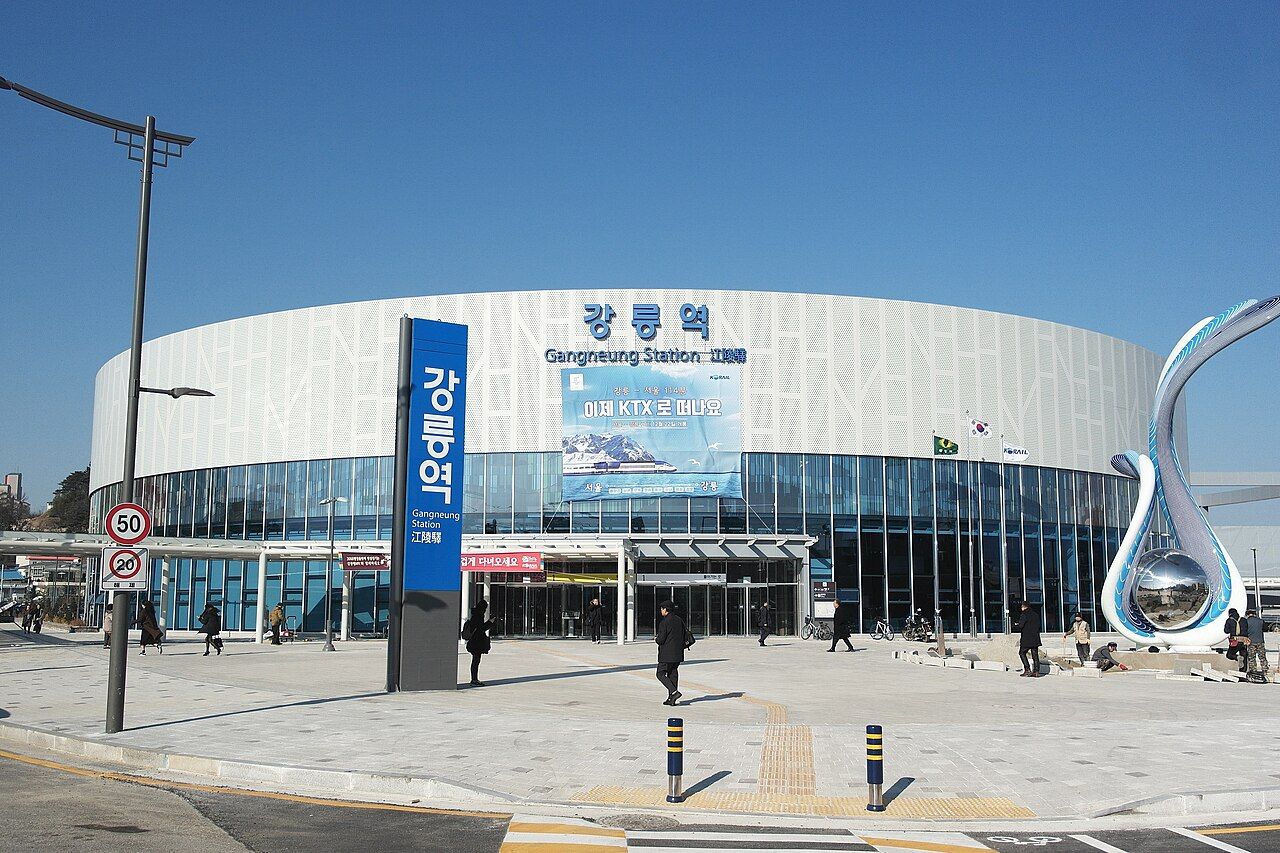
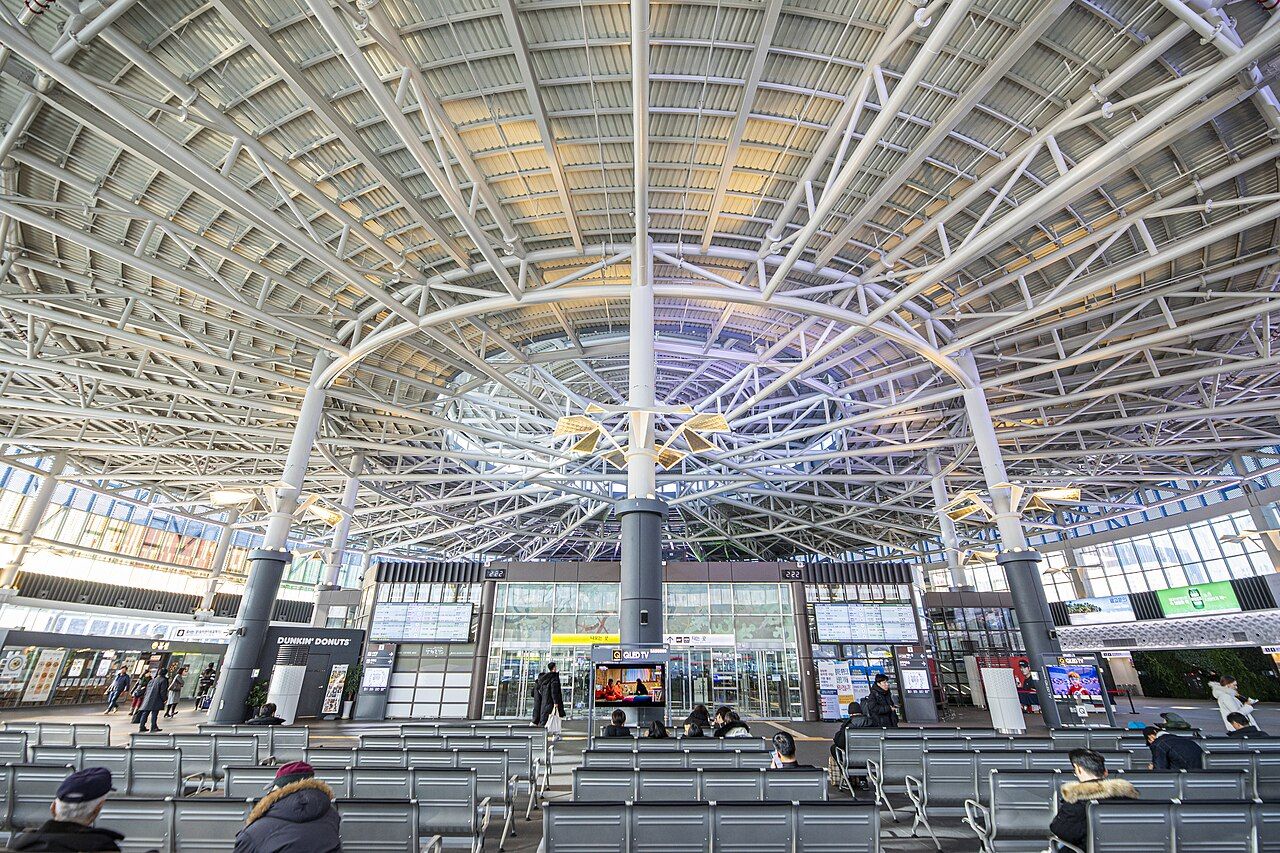
What is the first sight on arrival? A large waiting hall beneath a steel roof, in a modern station near the city centre. Gangneung Station is the terminus for most trains, so bags need not be gathered in a hurry while the train continues elsewhere. Ticket counters and machines are inside, along with shops.
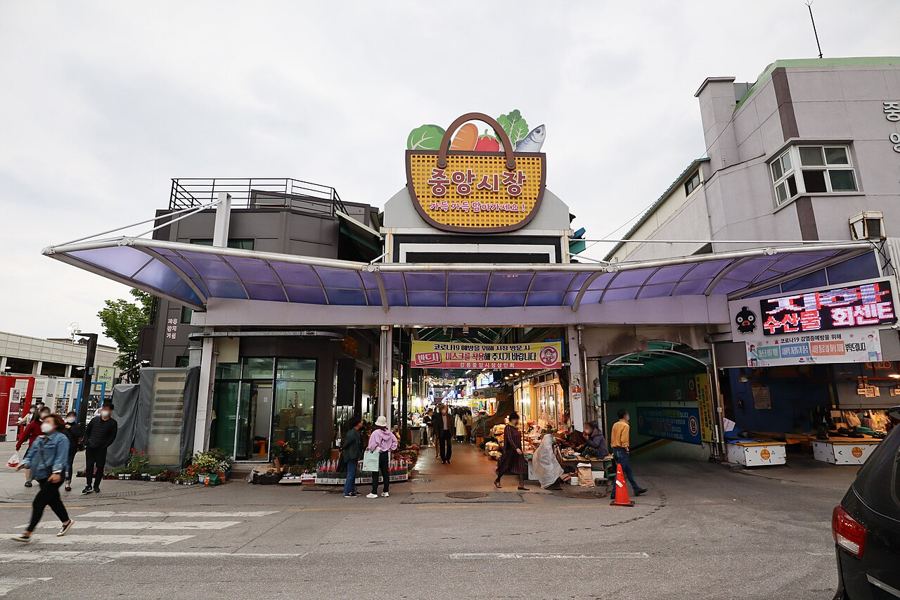
What lies beyond the doors? Bus stops and a taxi rank are close to the station. City buses head for downtown, Gyeongpo, the beaches and other parts of Gangneung. The old centre and Jungang Market are about a twenty-minute walk away. For a change of pace, cycle paths connect Gyeongpo, the lake and sections of the coast; the bicycle is the option for anyone who would rather meet the landscape at its own speed.
Could the day have begun on a bus instead? Yes. Express buses leave Seoul Express Bus Terminal and Dong Seoul Bus Terminal, crossing the mountains on expressways. The trip usually takes roughly two and a half to three hours, with traffic having a say in the matter. Some routes offer premium buses, with fewer and wider seats. Fares are generally below train fares, which is a pleasing difference; weekend services can also fill up.
Where do those buses arrive? The express and intercity terminals stand next to each other on the west side of Gangneung. From here, intercity services run along the coast to Sokcho in the north and Donghae and Samcheok in the south, as well as into mountain towns. The two terminals are neighbours, rather than one very large terminal with an identity problem.
Next stop: Jeongdongjin and the sunrise everyone came to see Coast
How does the afternoon stretch beyond the centre? City buses cover Gangneung and run to the beaches, Jumunjin, Jeongdongjin and the mountain valleys. Korean appears on route maps and at stops, sometimes joined by English. Rural and coastal services are less frequent than city routes. Taxis are widely available and reasonably priced; drivers often do not speak English, so a destination written in Korean or shown on a map can do the explaining. Ranks sit near the station, terminals and main sights, and taxis can also be hailed in the street. Fares are metered and cards are generally accepted.
Is there one small object that smooths the bus-and-taxi part? A T-money card. It is rechargeable and works on city buses, many intercity buses, subways in other Korean cities and most taxis. Cards are sold at convenience stores and stations, and topped up with cash. On buses, the card is tapped when boarding; on many city routes it is tapped again on leaving. That second tap allows a discount when changing to another bus within a set time. Paying by card saves a little time, which is the closest transport gets to a personality.
What if the journey began in the air? Yangyang International Airport is on the coast north of Gangneung, around an hour’s road journey away. Its limited domestic and international flights change frequently, and buses and taxis connect the airport with Gangneung and Sokcho, though not often. Most international arrivals come through Incheon near Seoul, then continue by airport railway into Seoul for the KTX, or by direct airport bus. The bus journey takes several hours.
By evening, what has the day taught the luggage? KTX carriages have racks at the ends and shelves overhead; express buses place large cases in the hold below. Gangneung Station has coin lockers, useful for a morning arrival and a walk before settling in. On busy weekends, the lockers can fill. The bags, at least, have been given several options.
Holiday travel is the part of the story that refuses to keep a tidy timetable. Around Seollal, the lunar new year, and Chuseok, the autumn harvest festival, trains can sell out weeks ahead, expressways become congested and bus trips can take much longer than usual. Summer weekends bring crowded beaches. The route is simple enough; the national wish to travel on the same day is less so. By evening, has the coast made the journey feel short, or merely given the travelling crowd somewhere else to go?
Credits: stuart spivack (a flickr user); Creative Commons BY-SA 2.0; Pixelpito; Creative Commons BY-SA 4.0; Mobius6; Creative Commons BY-SA 4.0