The small bowls can arrive before the main dish, making the table look as though the meal has already begun without waiting for anyone. In a way, it has. Gangneung food draws on the coast and the mountains: fish and seafood, mountain greens, potatoes, buckwheat and Chodang’s seawater tofu. What looks like a collection of side dishes is often the opening act, and sometimes the part people most want more of.
Gangneung
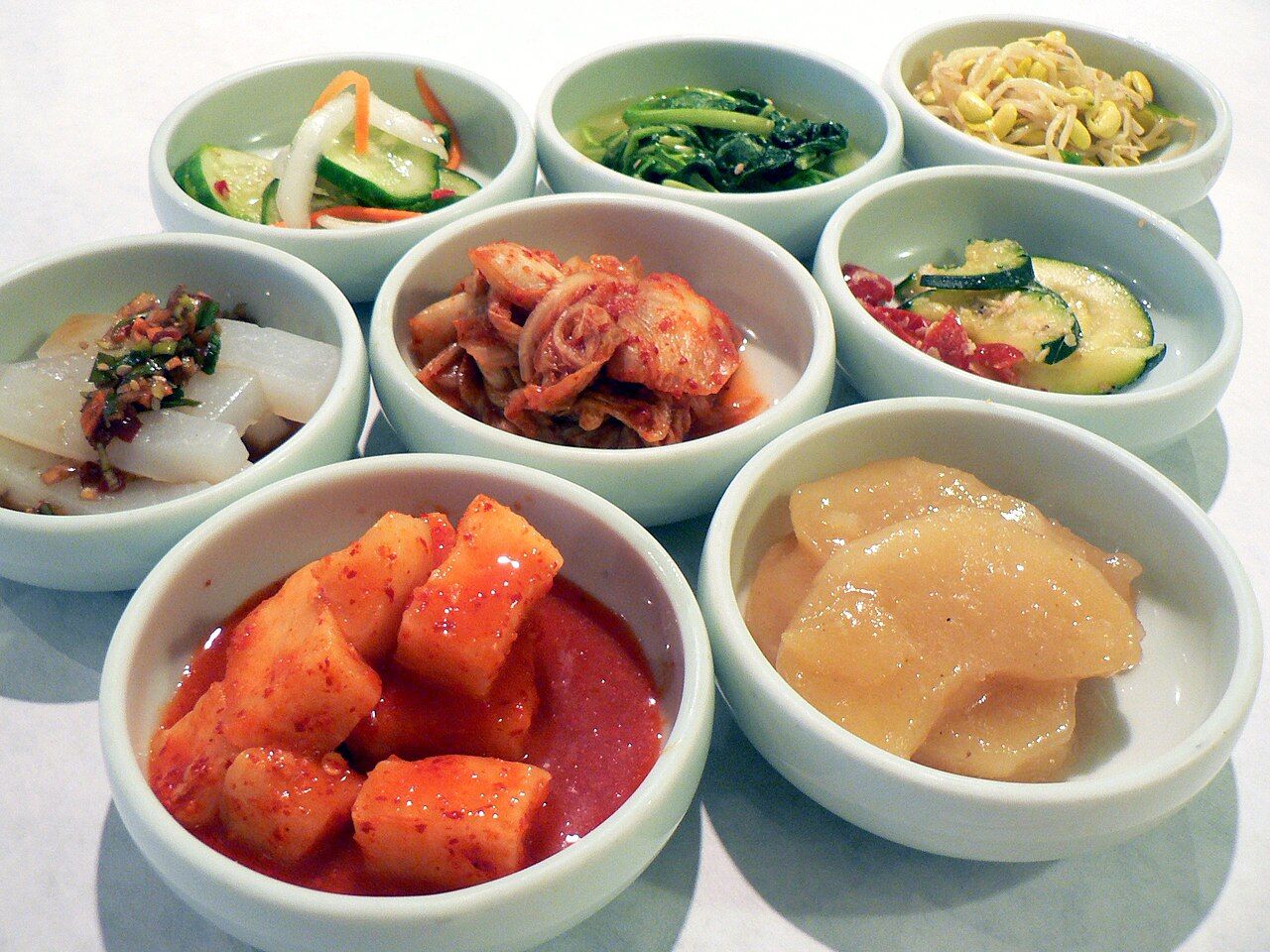
Myth: Every bowl on the table belongs to one person. Is that right? No. The small side dishes, called banchan, are shared. Kimchi, seasoned vegetables, bean sprouts, little fried fish, pickles, rolled omelette and braised potatoes may appear, though the selection depends on the kitchen and season. They usually come with the meal without an extra charge and can usually be refilled. Asking for more is fine; asking for another serving that will be left untouched is less so. The table has many bowls, but it is not a challenge to collect them.
Rice generally arrives in a small metal bowl with a lid, with soup in its own bowl. The spoon is for rice and soup; chopsticks are for the side dishes. Cutlery may be in a drawer at the table’s side or in a box on top. There is no great mystery to this arrangement, though a table full of bowls can briefly suggest otherwise.
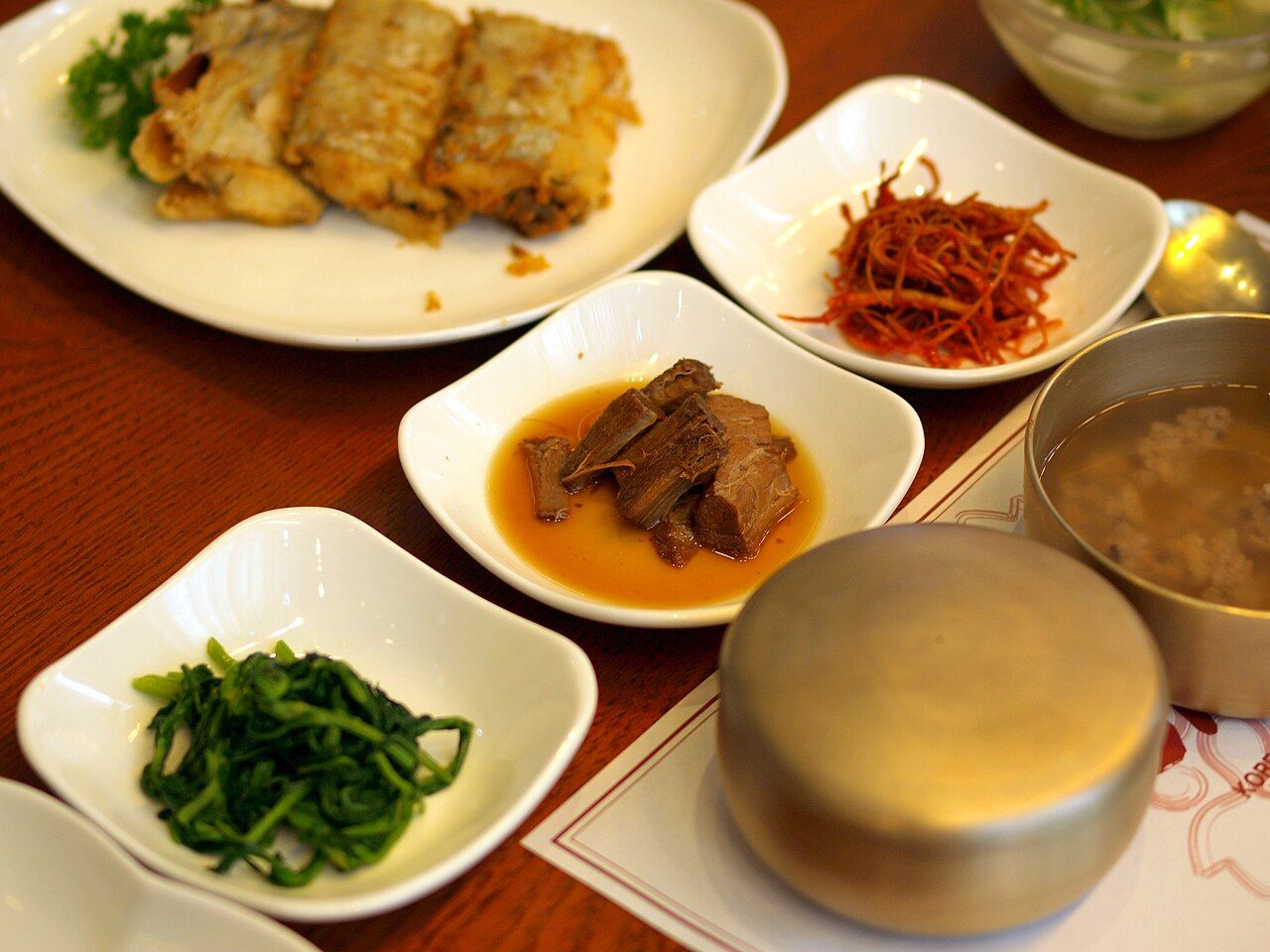
Myth: A shared pot is just a large individual meal. What is actually happening? Stews, hot pots and grilled meat are often cooked at the table in a pot or on a grill, and everyone eats from the middle. Sharing is the point, as well as a useful way of trying several dishes. It is one of the better arguments for a crowded table. The less welcome surprise for a solo diner is that some restaurants require two portions of shared dishes, particularly grilled meat and hot pots.
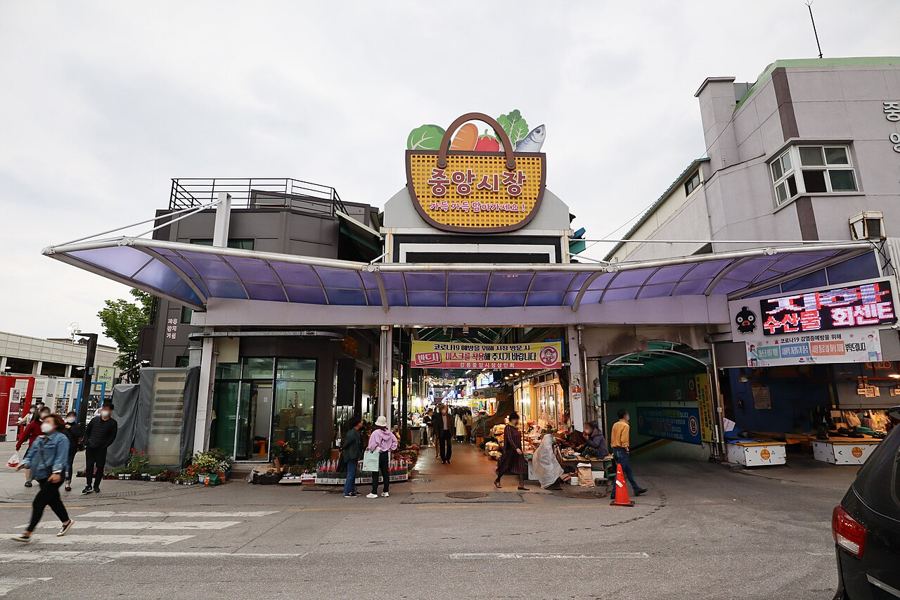
That two-portion rule can make a single meal feel more ambitious than intended. Some menus state the minimum; staff may explain it too. Dishes served individually offer a simpler answer: bibimbap, noodles, soup or a set meal. The soft tofu kitchens of Chodang serve single bowls as a matter of course. At Jungang Market, smaller portions make it possible to try several things, including fried chicken and potato pancakes. For eating alone, that variety has a quiet advantage over being obliged to make a pot for two.
Next stop: A Day at Jungang Market, Gangneung City
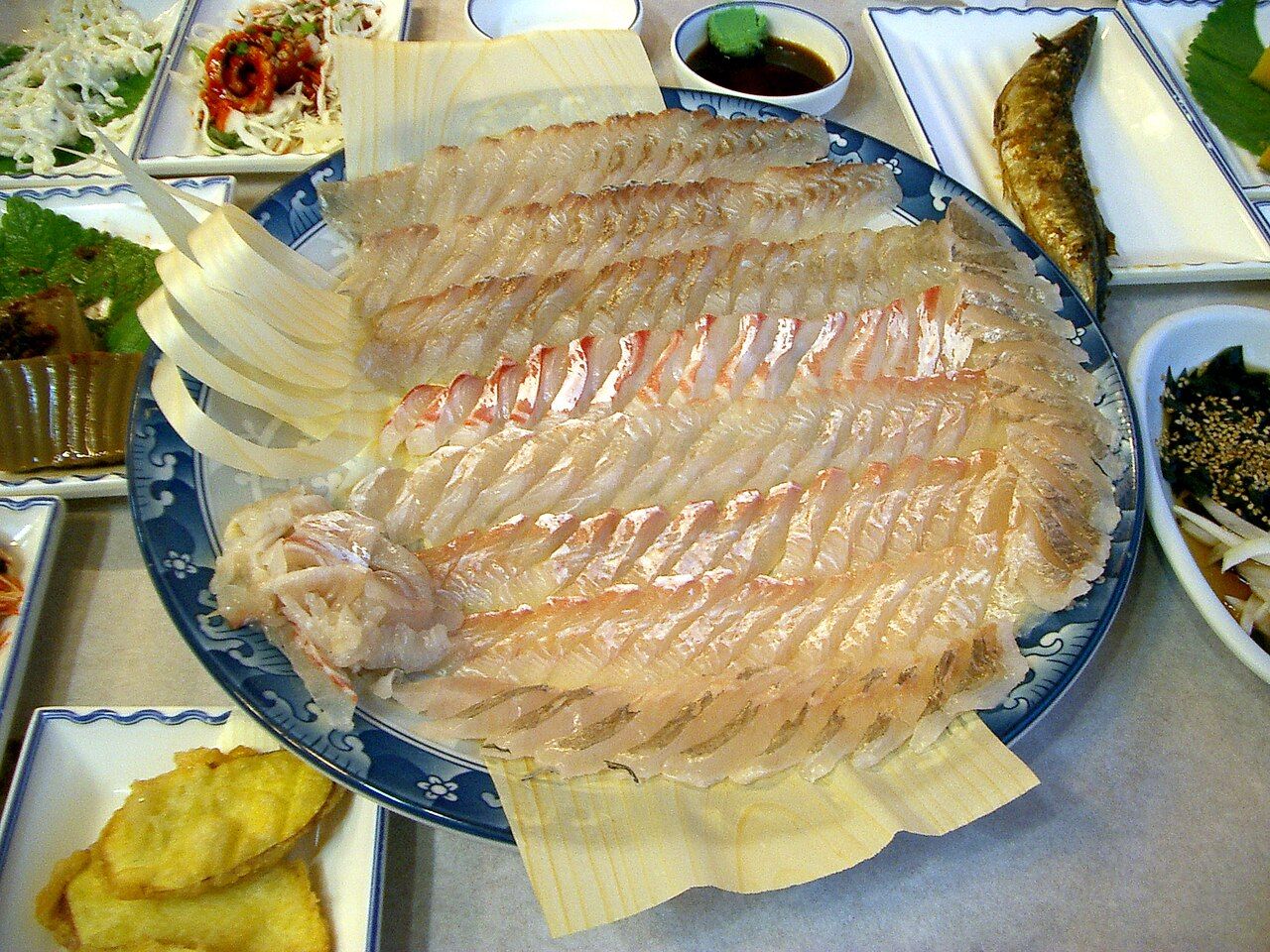
Myth: Raw fish on the coast is simply fish sliced and served. Is that the whole meal? Not usually. Hoe is a coastal favourite, and at harbours such as Jumunjin, a fish may be chosen live from a tank at the market and paid for by weight. It can then be sliced at a nearby or upstairs restaurant, where the charge is for the setting and side dishes. The price depends on the season and the catch, so asking before choosing is part of the arrangement.
Hoe comes with choices: spicy red pepper sauce, soy sauce with wasabi, or lettuce and perilla leaves wrapped around the fish with garlic, chilli and a little soybean paste. After the raw fish, the kitchen often turns the bones and head into maeuntang, a spicy stew served with rice. This is a particularly satisfying ending to a fish meal. Anyone new to raw fish might begin with milder white fish; squid, sea squirt and other shellfish are also common, and some arrive still moving. The table is not obliged to find this reassuring.
Myth: A dish made of vegetables must be vegetarian. Can it be trusted? Not necessarily. Fish stock, anchovy, fish sauce or salted shrimp may be used in dishes that look meat-free, including most kimchi. Meat can turn up in soups and stews, and vegetable side dishes may also be seasoned with fish sauce. The ingredients that matter are not always visible, which is a rather efficient way for a meal to become complicated.
Bibimbap without meat or egg, vegetable pancakes, tofu dishes and buckwheat noodles can be options; temple food is another. Explaining a diet in Korean, or using a written card, helps. It is still worth asking about stock, since a cook may not think of it as meat. Temple restaurants and temple stays serve strictly plant-based meals. The distinction between a vegetable dish and a vegetarian meal is worth keeping in mind.
Myth: Staff will come over when the table is ready to order. What happens instead? Staff are not usually at the table unless called. Many tables have a bell; otherwise, a raised hand and jeogiyo — “excuse me, over here” — does the job. Water is often free and self-service, and napkins come from a box on the table. When the meal is done, the bill, if there is one, is usually taken to the counter by the door. Some places take orders and payment at a kiosk or counter first. Cards are widely accepted, while small market stalls may prefer cash. Tipping is not expected.
Myth: Table manners require a long manual. Do they? A few customs cover most of it. With Korean hosts, wait for the eldest to begin. Do not stand chopsticks upright in rice, or lift the rice bowl to the mouth. Pour drinks for other people rather than for oneself, and receive a glass from an elder with both hands. Shoes come off where the restaurant has floor seating. The meal itself is allowed to be enjoyable; gamsahamnida, a thank-you, is useful at the end.
For another look at the pleasures and compromises of small portions, the next story is about Jungang Market.
Credits: Myeongho jeong; Creative Commons BY-SA 3.0; Pixelpito; Creative Commons BY-SA 4.0; Mobius6; Creative Commons BY-SA 4.0